
by Chris Koski & Paul Manson
Climate change is by any definition a wicked problem with myriad potential policy tools and even more potential targets. Policymakers face difficult political choices when designing policies to combat climate change. Among these choices are who should bear the costs and benefits of various policy tool options. Policy tools can be carrots and sticks, and policymakers assign these differently based on who will receive either option. Previous attempts to address climate change at the federal level have largely relied on subsidies and guidance rather than rules and punishment. Winners in these choices have been those with power to influence outcomes.
Previous research on federal climate policy has sought to explain failure both in legislation and executive action. Why have efforts to establish a carbon market in the US failed? What was the source of demise for the Obama administration’s Clean Power Plan (and can Biden breathe life into it)? Public opinion research has focused on understanding support for climate policies, including very specific proposals (e.g. cap and trade). Missing from this work is the general answer to the question: How do policy design features influence public support for policy?
Our article “Policy Design Receptivity and Target Populations: A Social Construction Framework Approach to Climate Change Policy,” recently published in Policy Studies Journal, addresses this question. Our work is situated in the literature on policy deservingness and the resurgence of interest in the social construction of target populations framework.
Using a national survey experiment, we assessed support for seven policy tools across the four archetypal target populations built on Schneider and Ingram’s Policy Design for Democracy. We find that climate policies are popular across all target populations. Contemporary federal climate policy focuses on carrots: de-emphasizing regulations, leveraging subsidies, and creating carve-outs for firms. In contrast, we find the public prefers sticks: policies that impose burdens – in our case, policies that mandate behaviors – for nearly all target populations, even the positively constructed groups who have power. The public still supports subsidizing most populations, but not those viewed as undeserving. Perhaps the most striking contrast between our findings and the federal policy discourse on climate change is that we find Americans are broadly hostile to giving groups exceptions to climate rules, a carrot they will not share with others.
Future work could consider a more complex, and realistic, view of policymaking, namely, that policies target bundles of populations with multiple tools. For example, the Biden administration has taken two distinct approaches to electric vehicle policies in the US, creating subsidies to purchase or lease EVs as well as proposing fuel economy standards that require automakers to increase fleet efficiency. Our current research and research we plan for the future hope to improve the relationship between design and public support for policy.
Editor’s Note: This article won the 2024 Theodore J. Lowi Policy Studies Journal Best Article Award. Congratulations to the authors!
You can read the original article in Policy Studies Journal at
Koski, Chris and Paul Manson. 2024. “Policy Design Receptivity and Target Populations: A Social Construction Framework Approach to Climate Change Policy.” Policy Studies Journal, 52(2): 211–233. https://doi.org/10.1111/psj.12520.
About the Authors

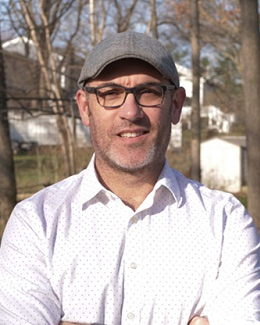
Chris Koski is the Daniel B. Greenberg Professor of Political Science and Environmental Studies at Reed College in Portland, Oregon. He is co-author of Means, Motives, and Opportunities: How Executives and Interest Groups Set Public Policy with Christian Breunig published by Cambridge University Press (2024).

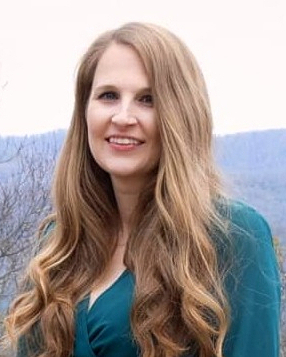
Paul Manson is Assistant Research Professor with the Center for Public Service at Portland State University in Portland, Oregon.




 Policy Studies Journal Blog