
The role of algorithims in influencing and channeling the type of information that people have access to today is unprecedented. Algorithimic tools such as social media platforms, AI recommendations, and search engines perform an important role in organizing and selecting content that shapes discourse on policy matters. However, the growing dominance of algorithims has invited complex challenges such as the increasing or decreasing presence of specific policy stories or stories available to the public. In this article, the authors propose integrating algorithimic understandings via algorithmic meta-capital (AMC) with the Narrative Policy Framework (NPF), to conceptualize how algorithmic tools influence the distribution of narrative content and how this informs the creation and/or reaction to public policy activities. For those unfamiliar with AMC, it refers to the usage of algorithms to control what gets seen and validated on digitial platforms.
Hypotheses
The authors propose three hypotheses underpinning the theoretical arguments of their model (also see Figure 1):
H1 (Micro-Level): Algorithimic meta-capital influences the impact of policy narrative persuasion on individuals through its effects on narrative elements such as breach, transportation, and congruence.
H2 (Meso-Level): Algorithmic meta-capital influences the narrative deployments by interest groups, advocacy coalitions, and other public, private, and third-sector actors via strategic policy dynamics alternation, policy beliefs strengthening, or opponent countering.
H3 (Macro-Level): Algorithmic meta-capital contributes to the normalization, stability, and persistence of macro-level policy narratives through its relationship with factors such as algorithmic infrastructure and culture, potentially limiting the ability of alternative narratives to challenge dominant institutional and cultural norms.
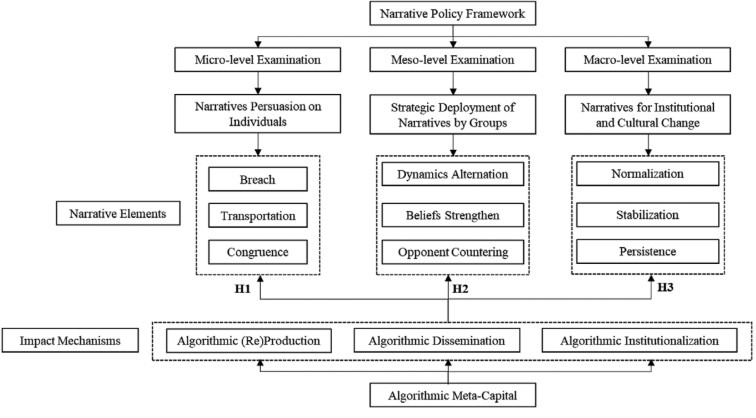
Figure 1. A Conceptual Framework Integrating AMC into NPF
The Black Lives Matter Movement
The rise of the Black Lives Matter (BLM) movement in 2020 demonstrated the effect of algorithims in propelling social policy narratives. Activists within BLM utilized social media platforms such as Facebook and Twitter to gain widespread support, as well as challenge dominant perspectives on racial equality and justice. This particular case illustrated the ability of activists in social movements to capitalize on algorithm structures in social media platforms to organize collective action and broader activism efforts. The case provides further support for the second-hypothesis, showcasing the role of algorithims in facilitating strategic narrative developments to shape public opinion on contentious policy issues.
The COVID-19 Pandemic
Social media algorithms and platforms played a significant role in spreading information and informing public opinion on the COVID-19 pandemic. Facebook and Twitter were the main sources for information for many users, with algorithmic structures in both platforms feeding news aligning with user content preferences. Narratives were spread on these platforms promoting misinformation and melodramatic content related to the pandemic. The case provides support for the authors’ first and second-hypotheses, as social media algorithms were successful in shaping individual beliefs about the pandemic, as well as promoting content aligned with the preferred narratives of groups and organizations. These dynamics suggest that algorithms were instrumental in distributing content that either affirmed or transformed individual-level and societal-level perceptions of a major health crisis.
Why It Matters
The proposed integration of AMC and NPF provides an important foundation for exploring the interactions between algorithmic systems, narrative content, and policy developments. Researchers can add to the contributions of NPF by studying how platforms and search algorithms channel narratives and content to the broader public, and influence the construction of public policy. The authors recommend several directions for future research, specifically to investigate how algorithmic-distributed narratives shape individual policy attitudes and change over a longitudinal period. By beginning to understand how algorithms shape public opinion and discourse, scholars will garner meaningful insights into the information and perspectives shaping public policy debate.
Read the original article in Policy Studies Journal:
Ling, Xiaoxu and Siyuan Yan. 2025. “Algorithmic Meta-capital and the Narrative Policy Framework.” Policy Studies Journal 53(4): 1108–1122. https://doi.org/10.1111/psj.70019.
About the Article’s Author(s)

Xiaoxu Ling is an assistant professor at the School of Accountancy and a research fellow at the Institute of Accounting and Finance at Shanghai University of Finance and Economics. Before joining SUFE, she received a PhD and was a senior postdoctoral research fellow at the Hong Kong Polytechnic University. Her research focuses on public policy, information systems, blockchain, and accounting information.

Siyuan Yan is a Pujiang Scholar and assistant professor at the East China University of Science and Technology. Before joining ECUST, he received a PhD and was a senior postdoctoral research fellow at the Hong Kong Polytechnic University. His research focuses on fintech, innovation, public policy, and capital markets as well as interdisciplinary areas involving artifical intelligence, ethics, education, sociology, and philosophy.
 Policy Studies Journal Blog